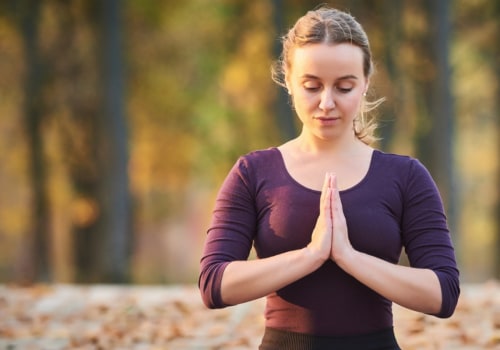
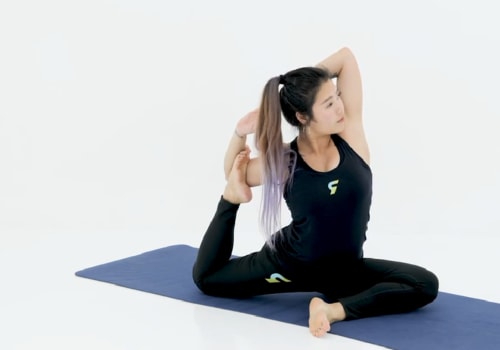
Busy schedules can make it difficult to prioritize personal wellness, especially when work, family responsibilities, social commitments, and everyday tasks compete for attention. Yoga can be adapted to fit different schedules and does not always require a lengthy class or specialized setting. Simple movements, breathing exercises, and brief moments of mindful awareness can be incorporated into a morning routine, lunch break, or evening wind-down. The goal is not to achieve complicated poses but to create consistent opportunities to connect with the body and slow down mentally. For beginners and experienced practitioners alike, choosing realistic practices can make yoga easier to maintain as part of a balanced lifestyle.
Using Movement to Release Tension
Physical tension is a common experience during stressful periods, particularly for individuals who spend long hours sitting at a desk or completing repetitive tasks. Gentle yoga movements can encourage flexibility, body awareness, and intentional movement. Simple stretches involving the neck, shoulders, back, hips, and legs may be incorporated into short breaks throughout the day, provided they are appropriate for the individual's physical condition. Moving slowly and paying attention to comfort can make these practices more accessible. Individuals should avoid forcing a position or continuing a movement that causes pain. When physical limitations or medical concerns are present, consulting an appropriate healthcare professional can help determine which activities are safe.
Practicing Breathing and Mindfulness
Yoga can also incorporate breathing practices that encourage individuals to slow their pace and become more aware of the present moment. Taking several slow, comfortable breaths during a busy day may create a brief mental pause between responsibilities. Mindfulness can be practiced while sitting quietly, stretching, walking, or simply paying attention to physical sensations and surroundings. These techniques can help people recognize signs of tension and create space before responding to stressful situations. Consistency is often more important than duration. Even a few minutes of mindful breathing or gentle movement can become a useful transition between work and personal time when practiced regularly.
Creating Balance Through Small Habits
Stress management does not have to involve dramatic lifestyle changes. Busy individuals can create balance by building small wellness habits into routines they already have. A short yoga sequence after waking may help establish a calm start to the day, while several stretches during a work break can interrupt prolonged sitting. An evening practice may provide a transition toward rest and help separate work responsibilities from personal time. Combining yoga with adequate sleep, nutritious meals, regular physical activity, social connection, and enjoyable hobbies can provide a stronger foundation for overall well-being. These habits can also be adjusted as schedules change, making them more sustainable than rigid routines.
Supporting Emotional Wellness
Yoga may be one useful tool for managing everyday stress, but emotional well-being involves many factors. Individuals experiencing persistent anxiety, low mood, overwhelming stress, or difficulty functioning may benefit from professional psychological support rather than relying solely on wellness practices. Resources such as Cabot Psychological Services can provide appropriate assistance for people seeking help with emotional health and coping strategies. Psychological support can complement lifestyle practices by helping individuals understand stress patterns and develop practical tools for managing challenges. Ultimately, yoga can fit into a busy lifestyle when it is approached as a flexible practice rather than another demanding obligation. By choosing simple movements, mindful breathing, realistic routines, and regular moments of rest, individuals can create opportunities for greater relaxation and balance without needing to dedicate hours each day. The most valuable practice is one that feels comfortable, achievable, and supportive of long-term physical and emotional well-being.