Understanding the Connection Between Yoga and Mental Health
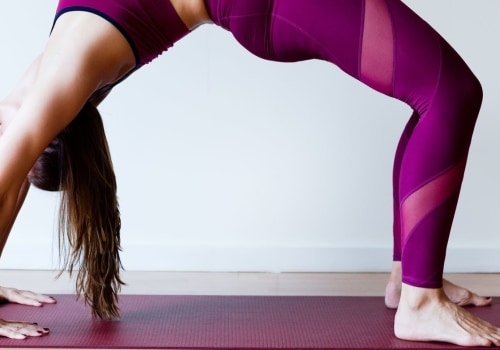
Yoga has become a popular wellness practice for individuals seeking to improve physical health while supporting emotional balance. Combining gentle movements, controlled breathing, and mindfulness techniques, yoga encourages participants to develop greater awareness of their bodies and thoughts. Regular practice may help individuals manage everyday stress, improve concentration, and establish healthier relaxation habits. Unlike activities focused primarily on physical performance, yoga emphasizes the relationship between movement and mental well-being, making it an accessible option for people with different fitness levels and personal wellness goals.
Reducing Stress Through Mindful Breathing Techniques
One of yoga's most valuable benefits involves its emphasis on breathing exercises that encourage relaxation. Slow, controlled breathing can help regulate physiological responses associated with stress, including elevated heart rate and muscle tension. During yoga sessions, participants often coordinate breathing patterns with deliberate movements, promoting a calmer state of mind. These techniques may also be practiced outside formal classes, allowing individuals to manage stressful situations during work, family responsibilities, or other daily activities.
Supporting Emotional Balance and Mental Clarity
Yoga encourages mindfulness by directing attention toward the present moment rather than ongoing worries or distractions. This practice may help individuals recognize emotional responses without immediately reacting to them. Certain yoga techniques can also support improved concentration, self-awareness, and emotional regulation. Individuals exploring holistic wellness approaches through healthcare practices such as Two Rivers Integrative Health may find discussions about mindfulness, movement, and stress management valuable when developing personalized wellness routines. However, yoga should complement appropriate professional mental health care rather than replace necessary treatment.
Improving Sleep Quality and Physical Relaxation
Stress frequently affects sleep patterns, leaving individuals feeling tired, irritable, or mentally overwhelmed. Gentle yoga movements and relaxation exercises may help prepare the body for rest by reducing muscular tension and encouraging calmer breathing. Restorative yoga, stretching routines, and guided relaxation practices can be particularly suitable for individuals seeking low-impact activities. Maintaining consistent sleep schedules alongside regular physical movement may further support emotional stability and overall wellness.
Building Healthy Routines for Long-Term Wellness
Incorporating yoga into everyday life does not necessarily require lengthy sessions or advanced physical abilities. Beginners can start with short, accessible routines and gradually explore different styles according to their comfort levels. Group classes may also provide opportunities for social interaction and community support. Consistent participation can encourage healthier lifestyle habits while promoting physical flexibility and emotional resilience.
Encouraging a Balanced Approach to Stress Management
Yoga offers a practical way to combine physical activity, relaxation, and mindfulness within a balanced wellness routine. When practiced regularly and adapted to individual needs, it may support stress reduction and improved emotional well-being. By integrating yoga with adequate rest, supportive relationships, healthy nutrition, and professional guidance when necessary, individuals can develop sustainable habits that promote greater mental clarity and resilience.